JENNIFER RAJASEKAR is an international student from India, who is due to graduate from our MA Creative Writing this winter. In this blog post, she reflects on the experience of being Managing Editor of the cohort’s anthology, Press Play, which was launched at Malt Cross in Nottingham in October.
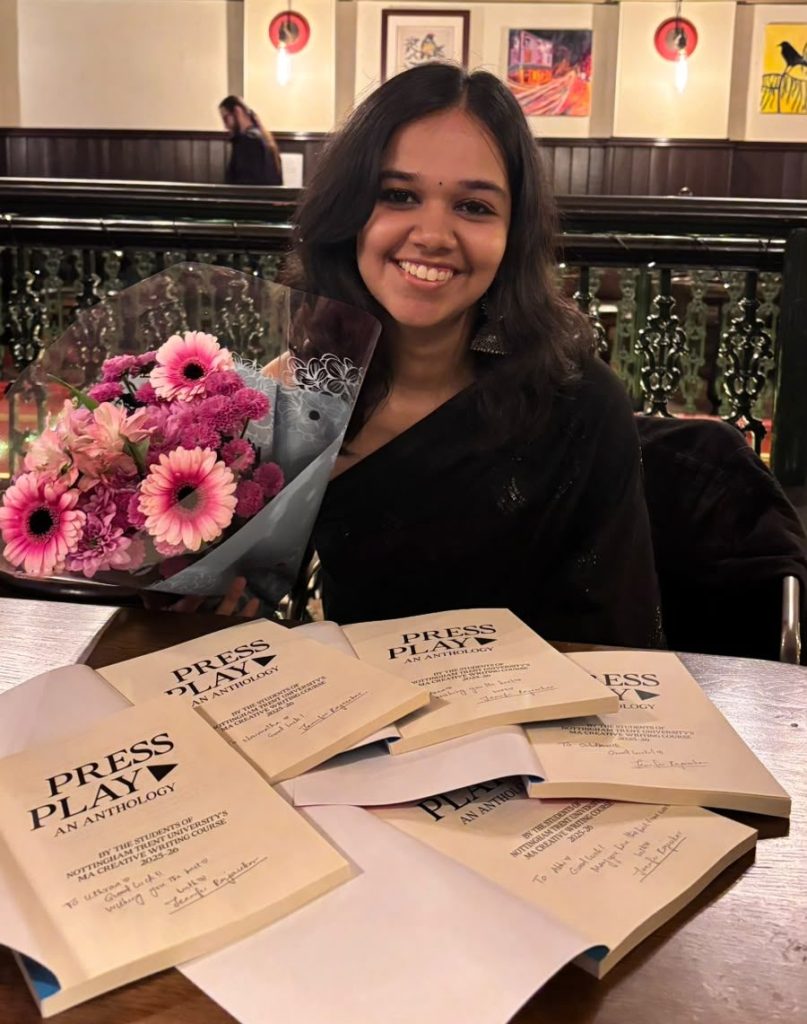
An anthology can be more than a collection of stories, poems, and scripts. It can be a meeting point for different voices, perspectives, and imaginations, where individual works come together to create something greater than the sum of their parts. For the MA Creative Writing cohort of 2025–26 at Nottingham Trent University, Press Play became exactly that.
As the anthology’s Managing Editor, I had the opportunity to oversee the project from its earliest discussions to its final printed form. What began as an idea shared among classmates gradually developed into a published anthology, culminating in a launch in October that celebrated not only our work but also the community we had built throughout the year.
The experience has been one of the most valuable aspects of my time on the MA. It taught me that bringing a book into the world requires much more than a love of writing. It demands organisation, communication, decision-making, patience, collaboration, and the ability to navigate the unexpected.
The process began with conversations about what we wanted our anthology to represent. Before we could begin collecting submissions to edit, we had several important decisions to make. Would the book have a central theme? If so, what? What would we call it? Would we invite contributions from writers outside our cohort, or feature the work only of our classmates?
These discussions gave everyone an opportunity to contribute ideas, express their preferences, and help shape the direction of the project. We explored different possibilities and voted on the options we felt best represented us as a group.
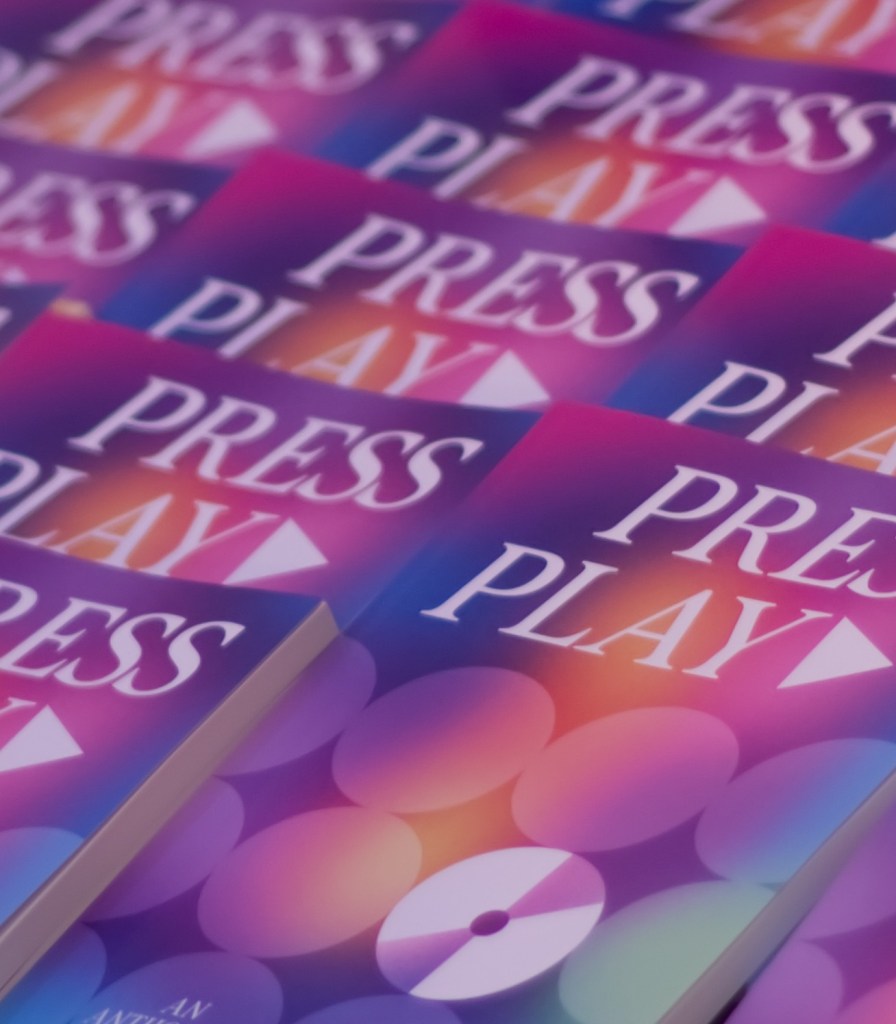
Eventually, we settled on Press Play, a title that we thought would bring to mind a mixtape: a collection of individual pieces, each with its own character, coming together to create a shared experience. Like a mixtape, the anthology would bring together different creative voices, allowing readers to move between them while discovering the distinctive qualities of each.
With the concept established, we began organising the team. Classmates volunteered for roles based on their interests and strengths, and we divided the editorial work into three categories: fiction, poetry, and script. Two editors were assigned to each genre. We also established teams for proofreading, layout, and other aspects of production. Each person had a role to play, and the success of the anthology depended on how well we worked together.
I was responsible for coordinating these different teams, communicating updates, keeping track of progress, and ensuring that the various stages of production came together. When a small number of editors had to step away from the project, I stepped in as a secondary script editor to help keep the work moving.
Once the teams were in place, we invited our classmates to submit their work and established a deadline for submissions. This marked the beginning of a detailed editorial process that involved several rounds of communication between writers and editors.
Each piece went through an exchange of feedback, corrections, and revisions, editors working with writers to refine submissions while respecting their individual voices and creative intentions. This back-and-forth was an important part of the process: editing was not simply about ‘correcting’ a piece of writing, but about helping it reach its fullest potential without losing what made it distinctive.
After the editorial stages were completed, we began arranging the accepted pieces into the order in which they would appear in the anthology. The manuscript was organised into its final structure before being passed to the proofreaders, who examined the text for errors and inconsistencies.
The next stage involved layout. Seeing the individual pieces move from documents into the pages of a book was an exciting milestone. The cover design was developed alongside the manuscript, and gradually, all the separate elements began to come together as a cohesive publication. I wrote the introduction, dedication, acknowledgements, and other accompanying material that helped frame the anthology as a complete work.
Once the manuscript had been laid out and the covers were ready, we circulated the book for another round of proofreading. We then returned the relevant sections to the authors, giving them an opportunity to check that their work appeared as intended. This was particularly important because the anthology represented the creative efforts of every contributor, and we wanted everyone to feel confident about how their writing was presented. Finally, the completed manuscript was submitted to our course leader for final review and approval.
One of the most valuable aspects of managing Press Play was the opportunity to experience the publishing process beyond the written page. Alongside coordinating the editorial teams, I was responsible for researching printers and obtaining quotes for the physical production of the book. This was an entirely new aspect of the process for me, and it came with its own learning curve.
Initially, I misunderstood the distinction between printers and publishers and found myself contacting publishing houses when what we needed was a printing service! This was a small mistake in the larger scheme of things, but was a useful learning experience. I came to understand the different roles involved in bringing a book to publication and became more confident in navigating the practical side of the industry.
After researching the available options, I shortlisted three printers, and compared their suitability for our project. I then had to select our preferred option and explain the reasoning behind the decision. Once the printer had been finalised, I prepared a funding proposal to secure the money required to produce the anthology from NTU’s Department of Humanities. This involved thinking about the project not only as a creative endeavour but also as something that needed a realistic budget and a clear plan for production.
These responsibilities taught me to approach the anthology from multiple perspectives. As a writer, I was invested in the quality of the work. As an editor, I was concerned with the consistency and presentation of the manuscript. As a project coordinator, I had to consider deadlines, communication, resources, and the practical decisions that would allow the book to become a reality.
As production progressed and the manuscript approached completion, our attention turned towards promotion. We began sharing information about the book across our social media platforms, introducing the project to potential readers and building anticipation for its launch. The anthology was no longer simply a collection of files exchanged between editors and writers. It was becoming something we could hold, read, share, and eventually place on our bookshelves.
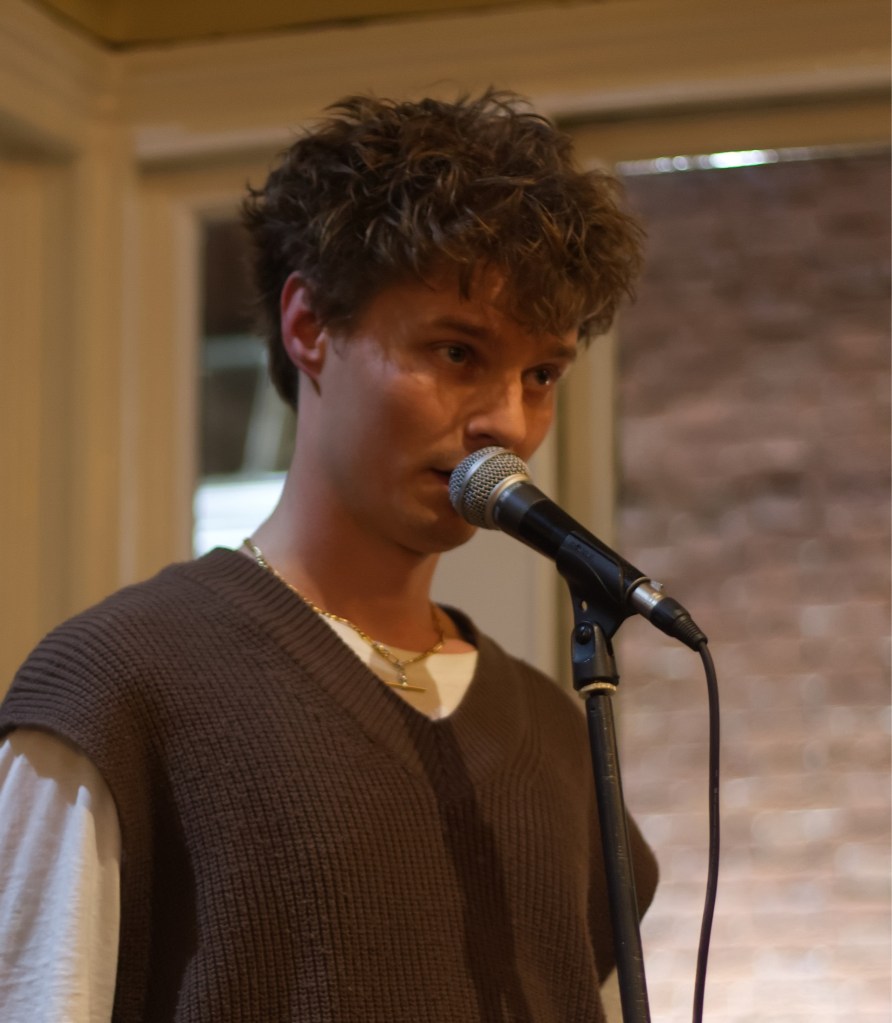
And then came the launch of Press Play, which took place on 3 October 2026 at Malt Cross in central Nottingham. It was a day that turned out to be far more meaningful than I had imagined. The room was filled with the friends and families of our classmates, alongside tutors, university staff, and representatives from the printing team. Seeing so many people come together to celebrate the work we had created was a reminder that, although writing can often be a solitary pursuit, its impact can also extend far beyond the writer.
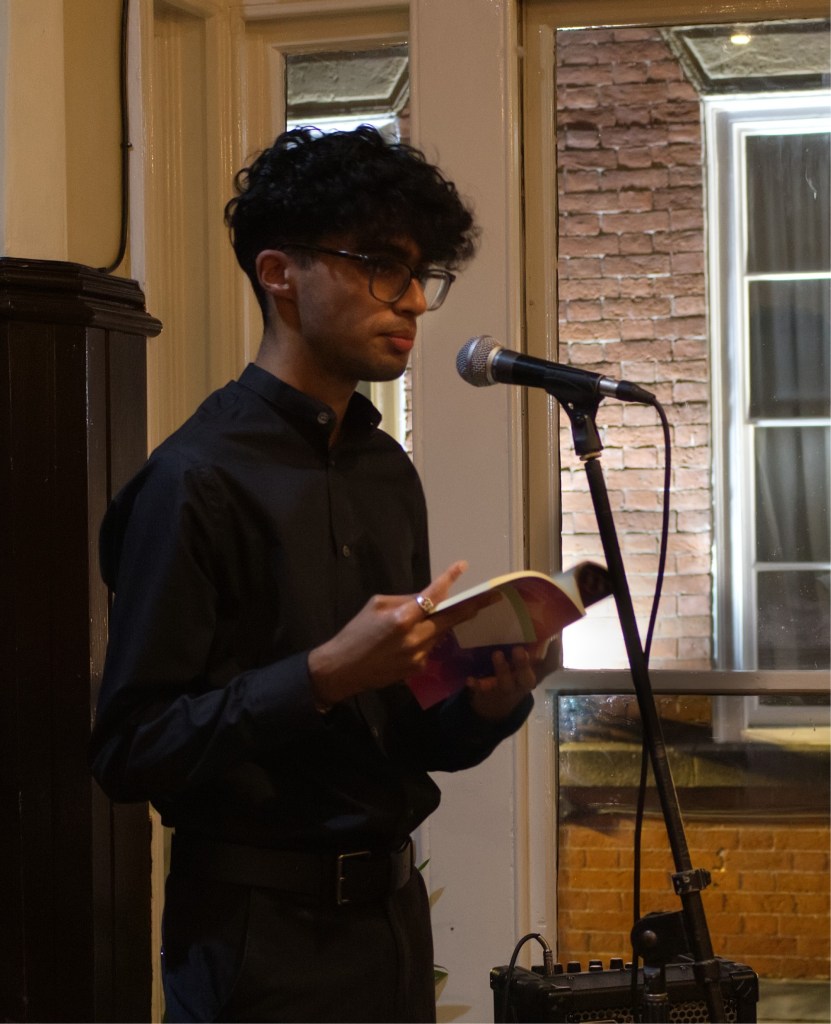
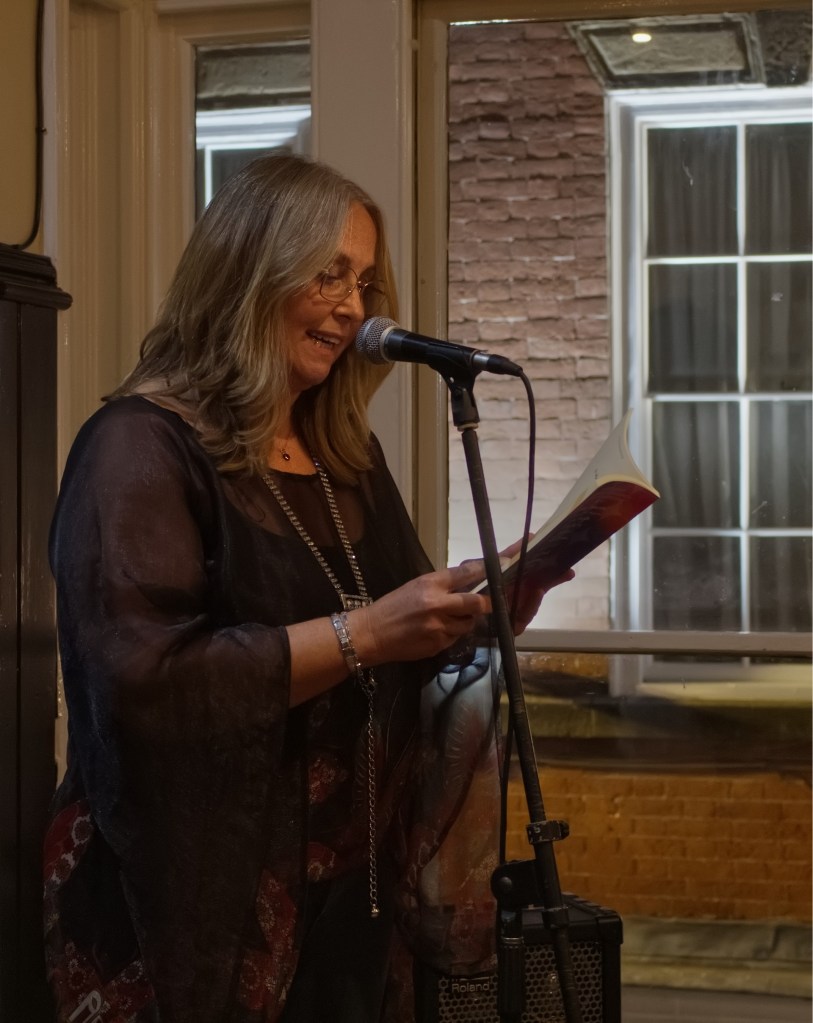
For many of us, this was an opportunity to share our work with the people who had supported us throughout our time on the course. Some fellow students and contributors read their work aloud, which brought another dimension to the anthology, allowing the words on the page to become shared experiences in the room. I also had the opportunity to host the launch. Having spent so much time coordinating the anthology behind the scenes, it was a lovely experience to help bring the celebration together and see the project reach its culmination.
What I remember most, however, is the atmosphere. There was pride in what we had accomplished, and appreciation for the people who had helped us get there. The book represented months of work, but it also represented the time we had spent learning alongside one another, exchanging ideas, offering feedback, and growing as writers. It was a celebration of the work in the anthology, certainly, but it was also a celebration of our cohort itself.
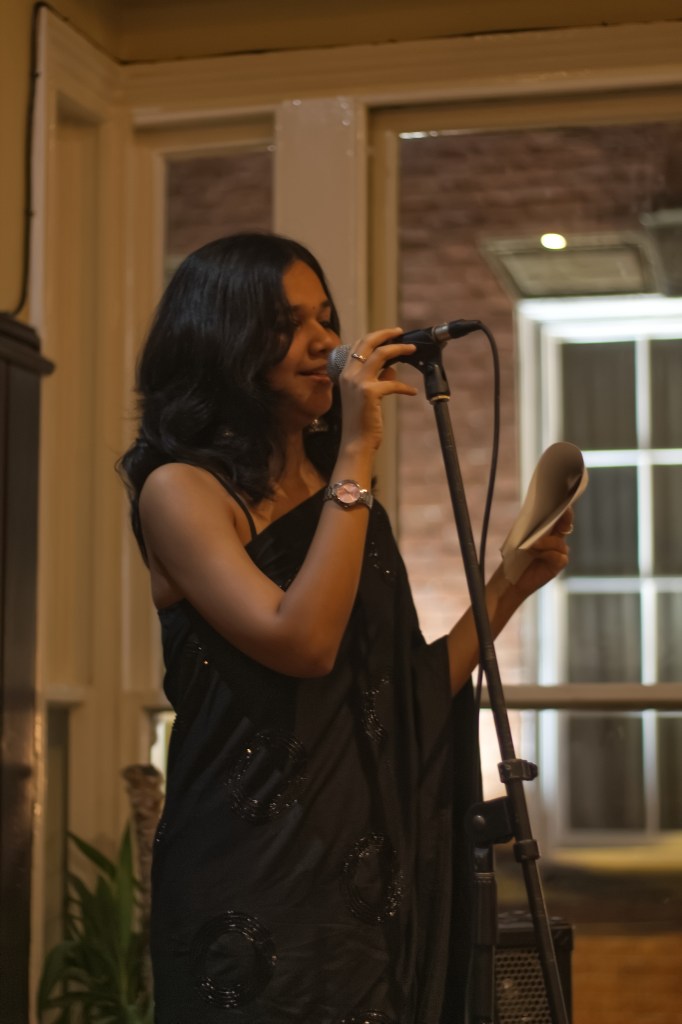
As the launch came to an end, I found myself thinking about what the anthology would mean to us in the years ahead. The MA Creative Writing course brought together people with different interests, experiences, and approaches to writing. Throughout the year, we learned from our tutors, from the work we studied, and from one another. We developed our writing, challenged ourselves creatively, and discovered new ways of approaching our craft.
Being the Managing Editor was a significant responsibility, but it was also a privilege. I am grateful to everyone who contributed their writing, volunteered their time, took on editorial and production roles, offered feedback, and helped bring the project to life. The anthology would not have been possible without the collective effort of our cohort and the support of our tutors and the wider university community.
The launch also carried a bittersweet significance. It was the final day on which so many of us would gather under the same roof, at least until graduation. As we move on to different opportunities, projects, and paths, the everyday experience of being part of this cohort will inevitably become a memory.
But we will have Press Play. Perhaps, years from now, one of us will come across the anthology on a shelf, take it down, and remember the people who contributed to it. Perhaps one day, our individual books will together on each other’s bookshelves. And perhaps, when we look back at where our writing journeys began to take us, this anthology will remind us of the time when we were all learning, creating, and growing together.
Until then, Press Play will remain a record of the voices we brought together, the work we created, and the community we shared. This is Jennifer, signing off as the Managing Editor of Press Play, on behalf of the MA Creative Writing cohort of 2025–26.
Thank you for being part of our story.

