In this piece, NTU BA Creative Writing final year student LAURA DE VIVO discusses her growing interest in writing for performance, and what she learned from developing her monologue, Starved, and watching an actor perform it.
When I came to university to study for a creative writing degree, I hadn’t expected to gain a love for theatre. Nonetheless, in my first year I answered a call from Message in a Bottle Monologues for five-minute pieces on the theme of darkness. I was honoured to receive a spot and my piece, ‘The Demon in my Head’, a personification of my medical condition, found a voice. Then I sat mesmerised on the front row the night it was performed, in awe of the actor, and the fact that he was speaking words I’d written. I almost couldn’t watch, but it received such a positive response that by the time I left the theatre I was hooked on writing for performance.
So, earlier this year, when the opportunity to take part in a monologue workshop and have a one-to-one with the playwright Sara Bodinar came up, I couldn’t turn it down, despite my third-year workload. It was the chance I’d waited for to bring Collette Dubois to life: she had lived quietly for years on my hard drive, waiting for embodiment. Everyone at the workshop approved of her, and that was all the encouragement I needed.
Collette is a vampire, and unrelatable in many ways, yet she faces a decision we can all understand: what would you sacrifice for love, and how do you battle with its turmoil?
I could barely hold myself still on the tram home, desperate to find my laptop and write – to lift her from the pages of a short story and give her new life, ironic considering she’s been dead for two hundred years.
During my one-to-one with Bodinar, I came to understand more fully that a monologue is a story, it often has three acts, needs foreshadowing and flashback, and is not just a rant by a character at an audience. After our meeting, I finalised the piece, sent it in, and crossed my fingers. I would not see it again until the night of the performance at Nottingham Contemporary. I tried my best to forget about it.
The evening soon arrived and, along with my family, I joined the other writers and supporters. Not knowing the actor who would play Collette, I was unable to give advice on how I felt she should be portrayed. This was an important lesson: was my skill as a writer good enough to ensure her character would shine through without my further intervention? Time would tell.
I rarely do anything without Claire Suzanne, a friend on the BA Creative Writing. Her piece, ‘Nearly Normal’, was the first to be announced. As the actress moved about the stage I could hear Claire in every word: hers was a personal piece. I had approached the task very differently.
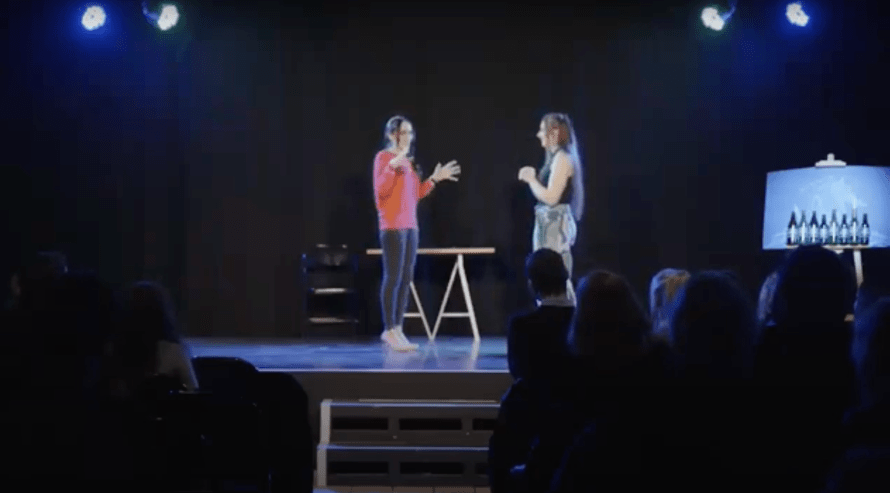
More monologues followed. I waited, my hands becoming clammy, and the room felt like it was close to boiling point. Finally, I saw a beautiful woman with sweeping red hair and a claret dress, and I knew in my blood that that was her. The poor man tasked with being a dead body (my piece required it) was also a giveaway, and I laughed knowing what was in store for him. This was toned down from my original script, and for good reason: I’m sure he’d not signed up to be given bruises.

Ria, as I learned she was called, gave a brilliant depiction of a ‘starved’ predatory monster, though not quite how I had imagined her. This meant I had some work to do if Collette was to be portrayed how I had her in my head – though it was also a thrill to see an actor bring her creativity to my creation. It was an honour to have another piece performed, and this has cemented my desire to push my writing career towards the theatre.
After each performance, the writer responsible was revealed to the audience and actors, but we all had to wait until it was over to meet each other. Ria is a wonderful lady and actress and the connection we made was encouraging.
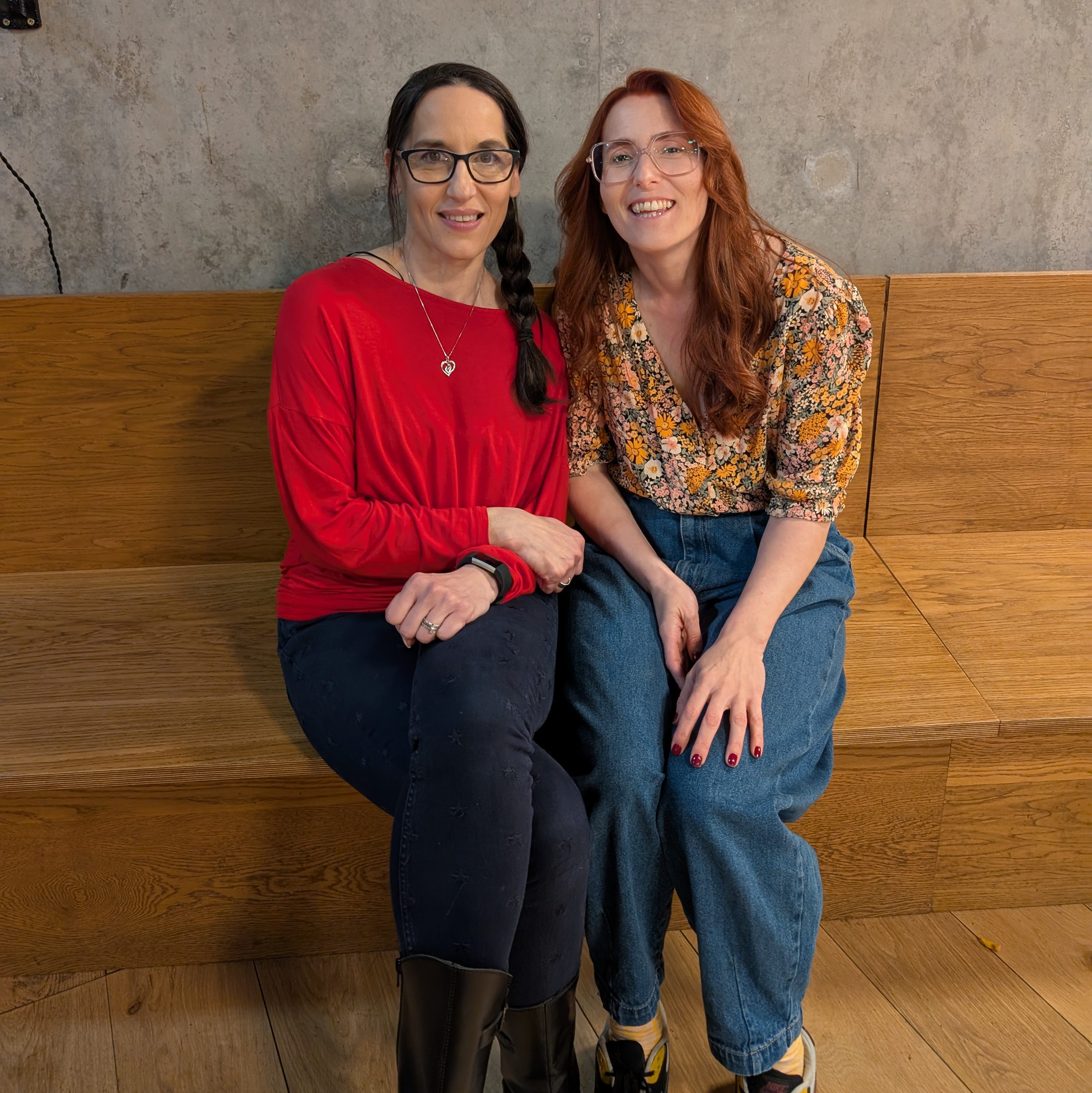
As an aspirational playwright, I find this type of opportunity important. It provides an outlet to help push my words out into the world, and gave me immediate answers regarding what works and what doesn’t.
You also do not know who may be attending events like this, of course, and it only takes one chance meeting to give an idea legs. NTU has been great help and support throughout my BA, and I would not have been exposed to these opportunities without it. As I move towards my MA Creative Writing at NTU, I will be looking for further chances to write for performance.
 NOTTINGHAM CREATIVE WRITING HUB