Helen Cooper is a graduate of our MA Creative Writing. Her third novel, The Couple in the Photo, was published by Hodder & Stoughton this year, and she is returning to the MA next term for a guest lecture. In this blog post, she discusses how the journey began.
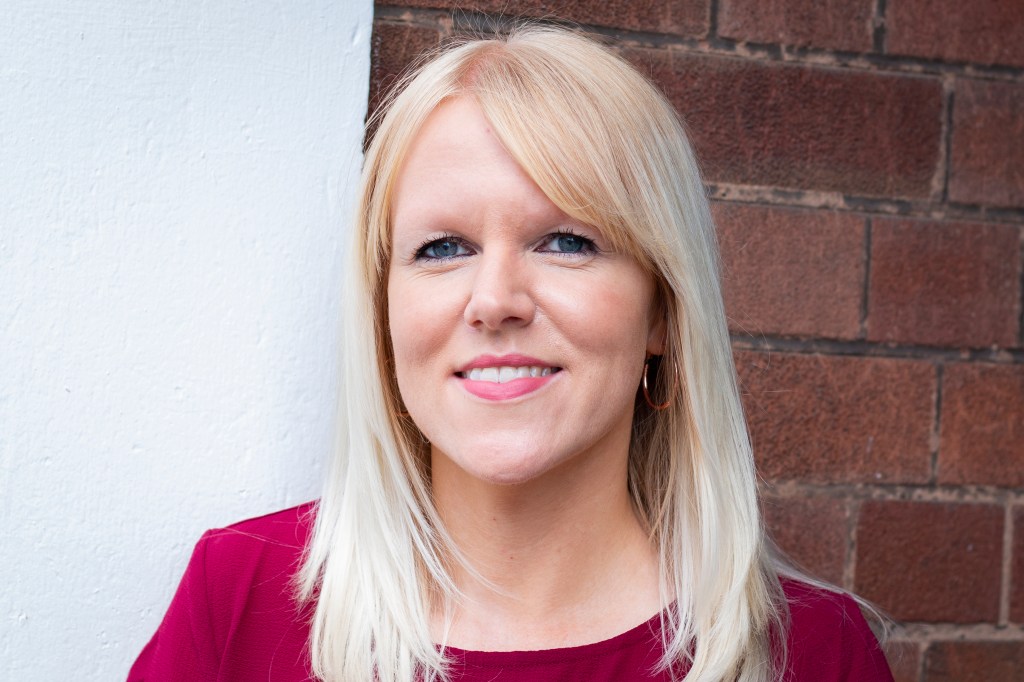
People sometimes ask for my advice when they’re considering doing a MA in Creative Writing. They ask if I think it’s worth it, if it made a difference to my writing and career. I’m always cautious about advising people one way or another, because everyone’s different and there are so many factors to consider. But the truthful answer, from my point of view, is that doing the MA at NTU was one of the best decisions I made.
I started it in 2009, during a time in my life when I was deciding on my next steps. I had an English degree, was working in retail, and wrote stories in my spare time without showing them to anybody else. I wanted to do a postgrad, but the only thing that really got my heart pumping was the idea of doing an MA in Creative Writing. It felt a bit indulgent, but my family urged me to go for it, and I’m so glad they did.
There’s a long-running, sometimes controversial, debate about whether creative writing can be taught. And maybe there are some elements of it – and some elements of anything – that can’t; maybe you need a natural flair for language and storytelling. But if you have that, I strongly believe you can get much better by studying, practising, reading, reflecting, seeking feedback, and learning from more experienced writers. And for me, that process began with the MA.
During one of my first fiction seminars, as my peers and tutor Graham Joyce discussed a story I’d written, I remember having several epiphany moments. One was the realisation that showing people my writing was not as terrifying as I’d feared – in fact, hearing them talk about it as if it was worth their time was kind of lovely. And I realised you HAVE to show people your writing if you want it to work. You need insights into how your words come across, how you’re making people feel, the parts that are confusing or distracting or boring, even the parts that split the room. Those workshops taught me my first essential lesson as a writer: seek out feedback, reflect on it, then edit, edit, edit.
Learning to critique other people’s work was just as helpful. They say one of the major things a writer can do to improve is read widely. I’d always done that, but the MA showed me how to read like a writer, how to look for the craft behind the storytelling. Combine that with one-to-one meetings with a dissertation supervisor, guest lectures from industry experts, and all the extra discussions that happen before and after formal teaching, and I really did feel enriched, encouraged, and inspired. It was the first time I thought, ‘Maybe this is something I could actually pursue.’
And I did pursue it. Relentlessly! The MA was the start of my learning but it certainly wasn’t the end. Afterwards, I did some further short courses with Writing East Midlands and other local organisations; I continued in a writing group with friends I’d met on the MA; I devoured every book, magazine or blog post on writing I could find. Most significantly, I kept writing. I finished the novel I’d written for my dissertation – my first completed book – and began submitting it to agents.
That wasn’t, however, the fairytale ending! That novel got rejected more times than I care to remember. But I had some near-misses, and encouraging responses from agents about my writing. In fact, through this process, some of the things I’d been taught on the MA began to make even more sense. Know what you’re writing. Know your genre, your audience, your hook. I’d been told the importance of these things. But as I experienced the toughness of the industry first-hand, somehow it spurred me on rather than made me give up.

The third novel I wrote was the one that finally saw some success. I was teaching Academic Writing at Birmingham University by this point, and I will never forget receiving THAT email while I was halfway through giving a lecture. An agent called Hellie Ogden loved my book and wanted to take me on.
You’d be forgiven for thinking this was the fairytale ending. However, like all good stories, it wasn’t so simple. That novel went out on submission to various big publishers in 2014. Its first few rejections weren’t too troubling; they contained lots of praise, and phrases like, ‘I’m certain it’ll be snapped up elsewhere.’ Unfortunately, by the end, everyone had said the same! I was devastated, but my agent remained positive and determined, and I clung to two realisations. Firstly, several publishers had said they’d be keen to see future work; and secondly, they’d provided thoughtful feedback, which I could use. I set about a painstaking analysis of all their rejection notes. Afterwards, I knew what I needed to do next time: strengthen my ‘hook’ even further, increase the pace, and sit more firmly in the genre of psychological suspense.
The next book I wrote started from a simple scene I couldn’t get out of my head, and grew into a multi-perspective story about secretive neighbours embroiled in the disappearance of a teenager. In writing it, I drew on everything I’d learned up to this point, every piece of feedback or writing advice I’d ever had, and went all-out to try and nail it.
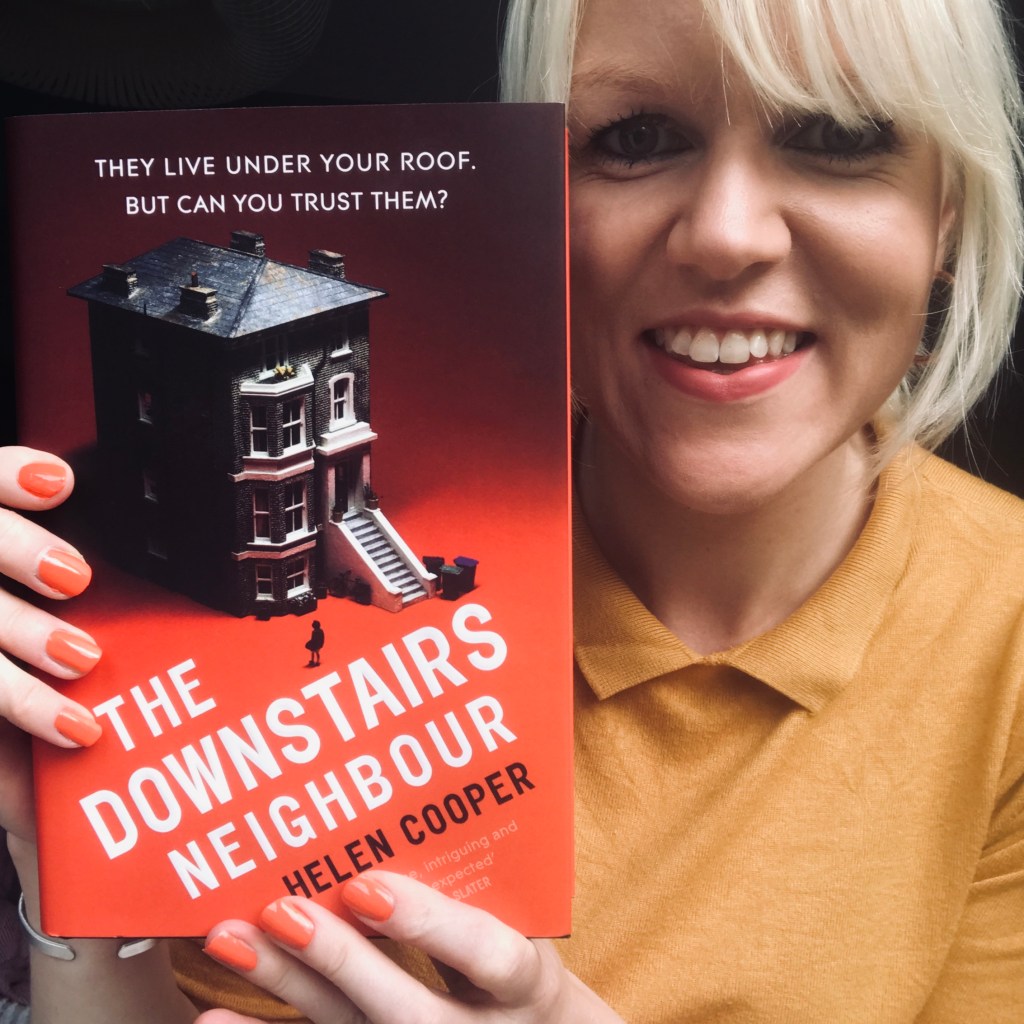
In September 2018, on my agent’s last day in the office before she went on maternity leave, we sold The Downstairs Neighbour to Hodder and Stoughton in a two-book deal. A few weeks later, we also sold the American rights. I now have three books published – the most recent being The Couple In The Photo, this year – and a fourth in progress. And I honestly don’t think it would’ve happened if I hadn’t written all those other books before it, starting with the one I submitted for my Creative Writing MA.

Creative writing courses aren’t magic bullets. But for me, the MA was just what I needed at the time: a chance to meet other writers, get feedback on my work, learn about the industry, learn about craft. To this day, when I’m drafting my novels, I still remind myself of a piece of advice I got from my dissertation tutor, David Belbin: “with ever chapter you write, think: what is the reader waiting to find out?” I’ve added other nuggets to that along the way – raise the stakes, my agent always says; give your characters clear goals, is one I got from my current writing group, Leicester Writers’ Club – and I’ll keep collecting them for as long as I keep writing. Striving to be a better storyteller does go beyond the length and scope of a creative writing course: it involves scribbling in notebooks, thinking in the bath, reading, being read, persevering, taking risks. But I’m not sure I would have got to this stage if I hadn’t taken that first leap.
Buy Helen’s most recent novel, The Couple in the Photo, here.
 NOTTINGHAM CREATIVE WRITING HUB